Satellite channel reception depends on a range of precise factors that are constantly changing, including frequency updates, satellite transitions, and differences in broadcasting systems. Ignoring these changes can lead to lost channels or weakened signals, which is why Freq Zone was created to serve as a reliable reference that tracks updates and delivers them accurately and on time.
Rather than presenting numbers and parameters alone, the platform focuses on offering a deeper understanding of how satellite broadcasting systems operate. Through detailed explanations and practical guidance, Freq Zone helps users configure their receivers efficiently and achieve optimal signal quality without requiring advanced technical expertise.
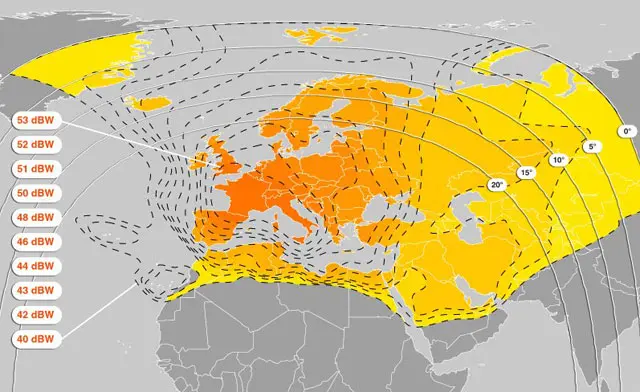
With the growing number of channels and the wide variety of satellites worldwide, finding accurate information can be a real challenge. For this reason, Freq Zone emphasizes smart content organization, allowing visitors to access channel frequencies by satellite, content category, or geographic region, saving both time and effort.
The website continuously keeps pace with developments in digital broadcasting, whether related to technical upgrades or transmission changes. This commitment to regular updates makes Freq Zone a dependable source for staying informed and ensuring that no channel is lost due to sudden frequency adjustments.
Ultimately, Freq Zone represents more than just an informational website; it is a comprehensive knowledge hub that balances technical precision with ease of presentation, delivering a trustworthy user experience in the world of satellite frequencies and opening the door to stable viewing and constantly renewed content.
This remarkable capability rests upon a foundation of exacting technical standards: signals transmitted upward to geostationary satellites are then redirected earthward within precisely defined frequency bands and polarization planes.
To maintain optimal performance amid evolving requirements, satellite fleet operators and content providers regularly update transmission parameters, sometimes multiple times per month across popular positions.
Such updates can stem from routine maintenance, spectrum reallocation agreements, the introduction of 4K or HDR channels requiring greater bandwidth, or strategic beam repositioning for enhanced regional focus.
Viewers worldwide consequently experience periodic reception challenges when their equipment retains obsolete settings, underscoring the value of accessible, authoritative frequency resources.
Armed with current data—including precise frequency values, symbol rates, polarization indicators, FEC ratios, and system identifiers—you gain the ability to restore channels swiftly and maintain superior picture and sound quality.
This professionally prepared guide fulfills that role by aggregating the freshest verified details from leading satellites, presented clearly to support seamless manual tuning and sustained viewing pleasure for all users.
Satellites have revolutionized modern communication, broadcasting, navigation, and weather monitoring. From watching international news channels to using GPS while driving, satellites are an essential part of our daily lives. In this article, we explore what satellites are, their orbital types, and how to receive their signals at home.
🌍 What Is a Satellite?
A satellite is an artificial object launched into space to orbit a planet or other celestial body. Satellites are used for a wide range of applications, including:
-
Television and radio broadcasting
-
Internet and telecommunication
-
GPS and global navigation
-
Military reconnaissance
-
Weather forecasting and climate research
-
Earth observation and scientific exploration
🧭 Types of Satellite Orbits
Satellites orbit the Earth at different heights depending on their mission. The three main types of satellite orbits are:
1. LEO – Low Earth Orbit (160 km – 2,000 km)
-
Orbits Earth in 90–120 minutes
-
Used for: internet (e.g., Starlink), Earth imaging, space stations (ISS)
-
Low latency and high resolution
-
Requires many satellites for global coverage
2. MEO – Medium Earth Orbit (2,000 km – 35,786 km)
-
Orbits Earth in 2–12 hours
-
Used for: GPS, GLONASS, Galileo navigation systems
-
Balanced latency and coverage
-
Fewer satellites needed than LEO
3. GEO – Geostationary Orbit (35,786 km)
-
Remains fixed over one location on the equator
-
Orbits the Earth in 24 hours (same as Earth’s rotation)
-
Used for: TV broadcasting (e.g., Nilesat, Hotbird), communications, weather satellites
-
Provides constant coverage of a large area
-
Higher latency but ideal for broadcasting
📡 How to Receive Satellite Signals at Home
To watch satellite TV or receive satellite data, you need a satellite reception system. Here’s how it works:
🧰 Essential Components:
| Component | Function |
|---|---|
| Satellite Dish | Captures signals from the satellite and reflects them to the LNB |
| LNB (Low-Noise Block) | Converts and amplifies signals from the satellite into usable frequencies |
| Receiver (Decoder) | Translates satellite signals into video/audio or data |
| TV or Monitor | Displays the content |
🛰️ Steps to Receive a Satellite Signal:
-
Choose the Right Satellite:
Example: Hotbird (13°E), Nilesat (7°W), Astra (19.2°E) -
Position the Dish:
-
Use a compass or satellite finder to align the dish to the satellite’s position.
-
Adjust azimuth (left/right), elevation (up/down), and skew (LNB tilt).
-
Fine-tune the signal using a signal meter or the receiver’s signal strength screen.
-
-
Connect the Equipment:
-
Connect LNB to the receiver using a coaxial cable.
-
Connect the receiver to your TV using HDMI or AV cables.
-
-
Scan for Channels:
-
Use your receiver’s menu to scan transponders or manually enter frequency settings.
-
Example:
-
- Save Channels and Enjoy!
💡 Tips for Better Signal Quality:
-
Use a high-quality dish (at least 60–80 cm for most satellites).
-
Ensure there are no obstacles (trees, buildings) between the dish and the sky.
-
Secure the dish firmly to avoid movement due to wind.
-
Weather can affect signal—especially heavy rain (known as rain fade).
🛰️ Popular Broadcasting Satellites:
| Satellite Name | Orbital Position | Usage |
|---|---|---|
| Nilesat | 7° West | Arabic and African channels |
| Hotbird | 13° East | European and some Arabic TV |
| Astra 19.2°E | 19.2° East | Western European channels |
| Galaxy 19 | 97° West | North American international TV |
We hope that this data has helped you restore your favorite channels or add new packages without hassle, allowing you to return to enjoying high-quality viewing with complete stability.
Our team at the site is always committed to continuously updating this information to keep pace with the rapid changes in the world of satellite broadcasting, ensuring you remain constantly connected to the programs and content you love.
If you encounter any difficulty in applying the frequencies or if some settings do not work as expected due to regional differences or receiver type, do not hesitate to share the details of your issue with us.
In case you have any problem, you can contact us by leaving a comment below the article, and our support team will respond to you with the correct information as soon as possible, to ensure you get the best possible reception experience.
The thoroughly researched and freshly updated parameters presented throughout this article represent our unwavering commitment to delivering actionable intelligence that transcends regional boundaries and device limitations.
We genuinely anticipate that implementing these details has revitalized your channel lineup, bringing back vibrant picture quality and robust audio across all your preferred genres and broadcasters.
Our ongoing surveillance of transponder activities across major satellites ensures that future updates will continue to preempt potential disruptions before they affect your viewing routine.
We deeply value the vibrant community of satellite enthusiasts who contribute their knowledge and experiences, enriching the collective understanding of this fascinating technology.
Your success stories inspire us, while any reported difficulties guide our improvements in clarity and comprehensiveness.
In case you have any problem, you can contact us by leaving a comment below the article, and our support team will respond to you with the correct information as soon as possible, dedicated to achieving perfect reception for every user.
Our team is dedicated to delivering accurate, timely information so you can enjoy crystal-clear reception across all major satellites.
In case you have any problem, you can contact us by leaving a comment below the article, and our support team will respond to you with the correct information as soon as possible.